Ireland & the Wild Atlantic Way
Hiking and biking on the Beara Peninsula
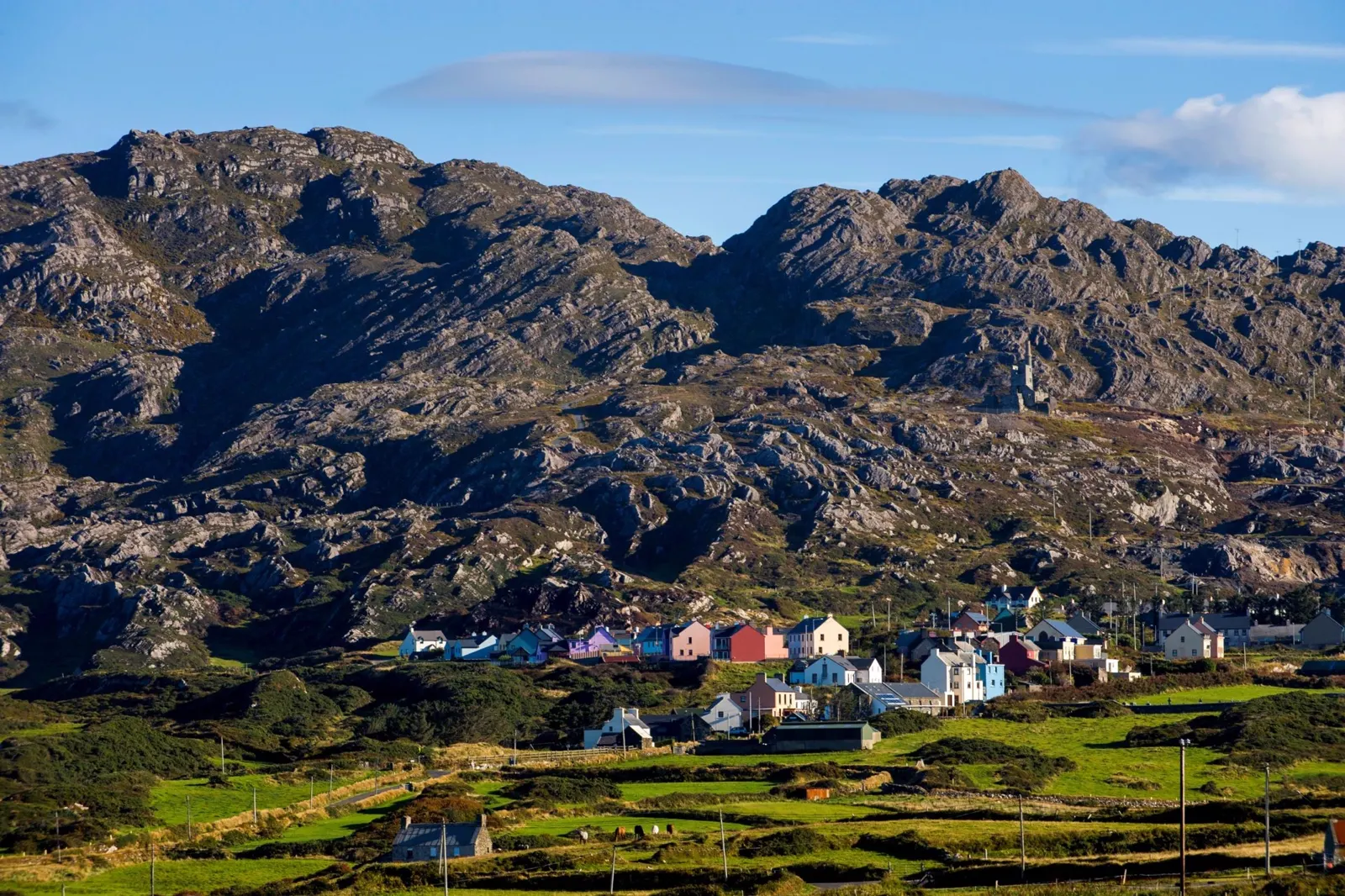
The Beara Peninsula is a magical part of Ireland and one of our favourite stretches of the Wild Atlantic Way. It sits on the southwest coast between the Sheep's Head Peninsula to the south and the Iveragh Peninsula to the north. Here is a little background on the place, along with a few hiking and biking recommendations.
Where the name comes from
The name Beara dates from a time when kings and chieftains ruled Ireland. According to legend, the king Owen Mór was badly injured in a battle against his rival Conn Céad Cathach — Conn of the Hundred Battles. Owen was nursed back to health on the western tip of Beara. Once recovered, he sailed south to the kingdom of Castile in Spain to ask its king for help in winning back his lands. While there he fell in love with the king's daughter, Princess Beara, and brought her home with him. When he regained his territory, he named the region in her honour.
Hiking on Beara
The land here is rugged. A line of mountains and hills runs the length of the peninsula, threaded with trails and quiet country roads, with mile after mile of Atlantic coastline alongside. It is close to ideal for anyone who likes being outdoors.
The Glengarriff Nature Reserve, north of the town of Glengarriff, has a range of looped walks that are scenic and reasonably accessible. The trails run through native woodland of oak, ash and holly, with lichen on the trees, ferns along the streams, and rewarding views out over the landscape.
Dursey Island sits at the western tip of the peninsula and is the only island in Ireland connected to the mainland by cable car. There is an excellent signposted loop walk around the island that takes roughly four hours. There are no shops or accommodation on Dursey, so bring food and check the times of the last cable car back.
For a harder day, Hungry Hill near the village of Adrigole rises to 682 metres and is visible from much of the peninsula. There are several possible approaches, but care is needed — there are cliff faces that pose a real danger. Expect changeable weather, and treat navigation and compass skills as essential rather than optional.
Biking on Beara
Castletownbere is the main town on the peninsula and a good base for lunch or refreshments. West of the town the landscape turns rugged and dramatic, and the roads narrow and quieten — ideal cycling.
Leaving Castletownbere, turn right onto the minor road at the western end of the town. The road climbs steadily and the ocean views open up. About ten minutes in you reach the Derreenataggart Stone Circle, marked by a small sign that is often half-hidden by hedge growth; Irish stone circles date from the Bronze Age and this one is well worth stopping for. From there the road gives beautiful cycling with sweeping bends and fast descents before rejoining the R572 heading west, and soon after you reach the Buddhist retreat centre at Dzogchen Beara, marked by prayer flags. Visitors are welcome and the setting is remarkable.
From here you can return to Castletownbere the way you came — almost entirely downhill — or continue west on the R575 to the colourful villages of Allihies and Eyries, returning to Castletownbere via the R571. That longer loop is testing but very rewarding.
Bear Island is another good option. It is a ten-minute ferry crossing: cycle 4km east of Castletownbere on the R572 to the small harbour, and the ferry lands at the village of Rerrin, where there is a shop and café. Ride east to the abandoned British military batteries, then the length of the island to its western tip. The island is hilly but most of the cycling is manageable, and steeper sections are easily walked. The roads are quiet and winding, lined with wildflowers in spring and summer, with views out to the Atlantic, across to Sheep's Head and back to the mainland.
However you explore it
Beara rewards a slow visit. Whether you walk it, cycle it or simply drive its coast road and stop often, it is a part of Ireland that tends to leave people planning a return trip before they have finished the first one.